Introduction
As industrial activities expand into increasingly remote and challenging locations, reliable catering services have become a critical operational requirement.
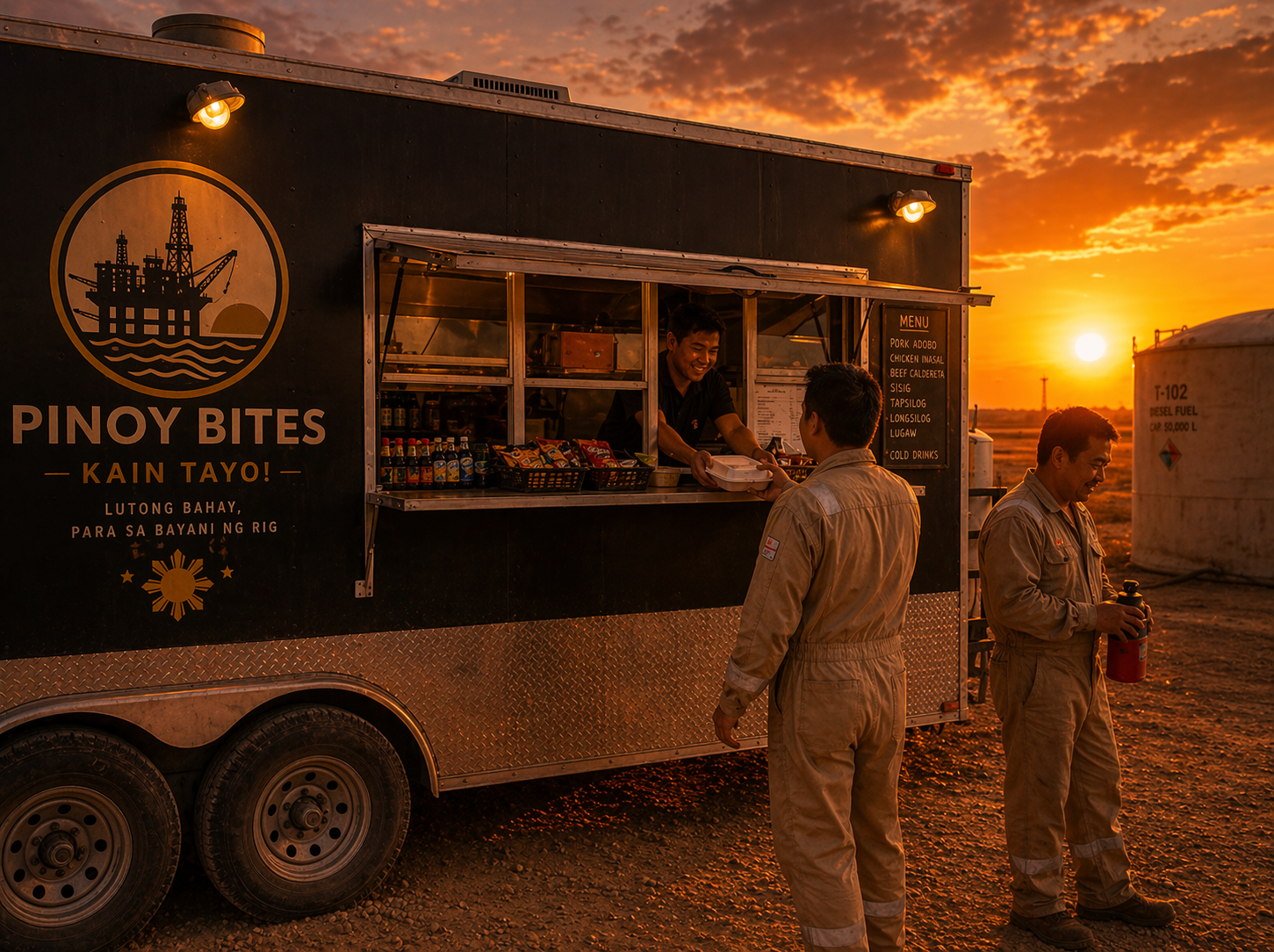
Remote site catering supports workforce health, morale, and productivity in environments where traditional foodservice is not feasible.
Global energy, construction, mining, and infrastructure projects depend on catering partners capable of operating safely and consistently across offshore, onshore, and overseas locations.
Industry guidance from organizations such as the
International Association of Oil & Gas Producers (IOGP)
highlights the importance of welfare services, including catering, in maintaining safe and productive operations in remote environments.
The Role of Remote Site Catering in Industrial Operations
Remote site catering extends beyond meal preparation. It involves food safety management, logistics coordination, hygiene control, and the ability to scale services according to workforce size and site conditions.
Integrated providers such as
Supply Oilfield & Marine Personnel Services (SOMPS)
deliver catering solutions designed to function reliably in isolated, low‑infrastructure, and safety‑critical environments.
1) Food Safety and Hygiene in Remote Locations
Remote sites require strict food safety controls due to extended supply chains, limited storage, and environmental exposure. Catering teams must implement standardized hygiene protocols, temperature control, and safe handling practices throughout procurement, preparation, and service.
Global food safety frameworks and hazard analysis principles, such as those outlined by the
Food and Agriculture Organization (FAO),
are commonly applied to ensure consistent compliance across international project sites.
2) Operating in Logistically Challenging Environments
Remote industrial operations often face restricted access, limited connectivity, and irregular resupply schedules. Catering services must be designed to operate effectively under these constraints, coordinating deliveries with marine, aviation, or land transport while maintaining menu continuity and nutritional standards.
Effective logistics planning ensures uninterrupted foodservice even in offshore platforms, desert sites, or isolated inland facilities.
3) High‑Volume Meal Production for Large Workforces
Major projects may require catering services capable of producing hundreds or thousands of meals daily. Scalable kitchen operations, trained catering personnel, and standardized processes enable consistent service quality across extended project durations.
This capability is essential for industrial camps, offshore installations, and large construction or commissioning teams.
4) Workforce Welfare and Productivity Support
Well‑planned catering programs contribute directly to workforce well‑being. Balanced menus, accommodation of dietary requirements, and consistent meal schedules support physical endurance and morale, particularly during long rotations or extended shifts in remote locations.
Offshore and Onshore Catering Requirements
Offshore Catering Operations
Offshore environments demand compact kitchen layouts, strict waste management, and coordination with platform safety procedures. Catering teams must operate within confined spaces while maintaining hygiene and food quality standards.
Extended rotations and limited storage capacity require careful menu planning and inventory control to sustain service continuity.
Onshore and Overseas Remote Sites
Onshore remote facilities such as energy plants, mining camps, and infrastructure projects often operate far from urban supply networks. Catering services must adapt to local conditions while maintaining international standards for food safety, hygiene, and workforce welfare.
Integrated Support Services That Enable Reliable Catering
- Logistics and supply coordination: Procurement, warehousing, and last‑mile delivery aligned with project access constraints.
- Camp management integration: Catering aligned with accommodation, housekeeping, and waste management services.
- Operational reporting: Visibility on consumption, hygiene checks, and service performance.
Example Scenario: Catering for a Remote Energy Project
Challenge: A remote energy project requires continuous catering support for a multinational workforce operating under restricted access and irregular resupply windows.
Catering Solution:
- Mobilization: Deployment of trained catering teams with remote‑site experience.
- Logistics: Pre‑positioned food supplies and coordinated delivery schedules aligned with site access.
- Operations: Standardized menus, hygiene monitoring, and waste handling compliant with site safety rules.
Result: Consistent meal service, maintained food safety standards, and sustained workforce productivity throughout the project duration.
Why Integrated Providers Add Value to Remote Site Catering
Remote catering is most effective when delivered as part of a broader support framework. Providers that also manage manpower deployment, logistics, and camp services reduce operational interfaces and improve accountability.
Through coordinated services, catering operations can adapt quickly to workforce changes and project demands.
Conclusion
Remote site catering plays a vital role in sustaining safe, efficient, and productive operations in hard‑to‑reach environments. By combining food safety discipline, logistical capability, and scalable service delivery, catering providers support workforce welfare across offshore, onshore, and overseas projects. Integrated support models ensure catering services remain reliable even under challenging site conditions.
Talk to SOMPS About Remote Site Catering Solutions
For projects requiring reliable catering services in offshore, onshore, or overseas locations,
Supply Oilfield & Marine Personnel Services (SOMPS) delivers remote site catering solutions designed for safety‑critical and logistically complex environments.
Contact SOMPS
to discuss catering requirements aligned with your workforce size, site conditions, and operational standards.